
PANAF Summit 2026
Advancing Artistic Freedom Across Africa
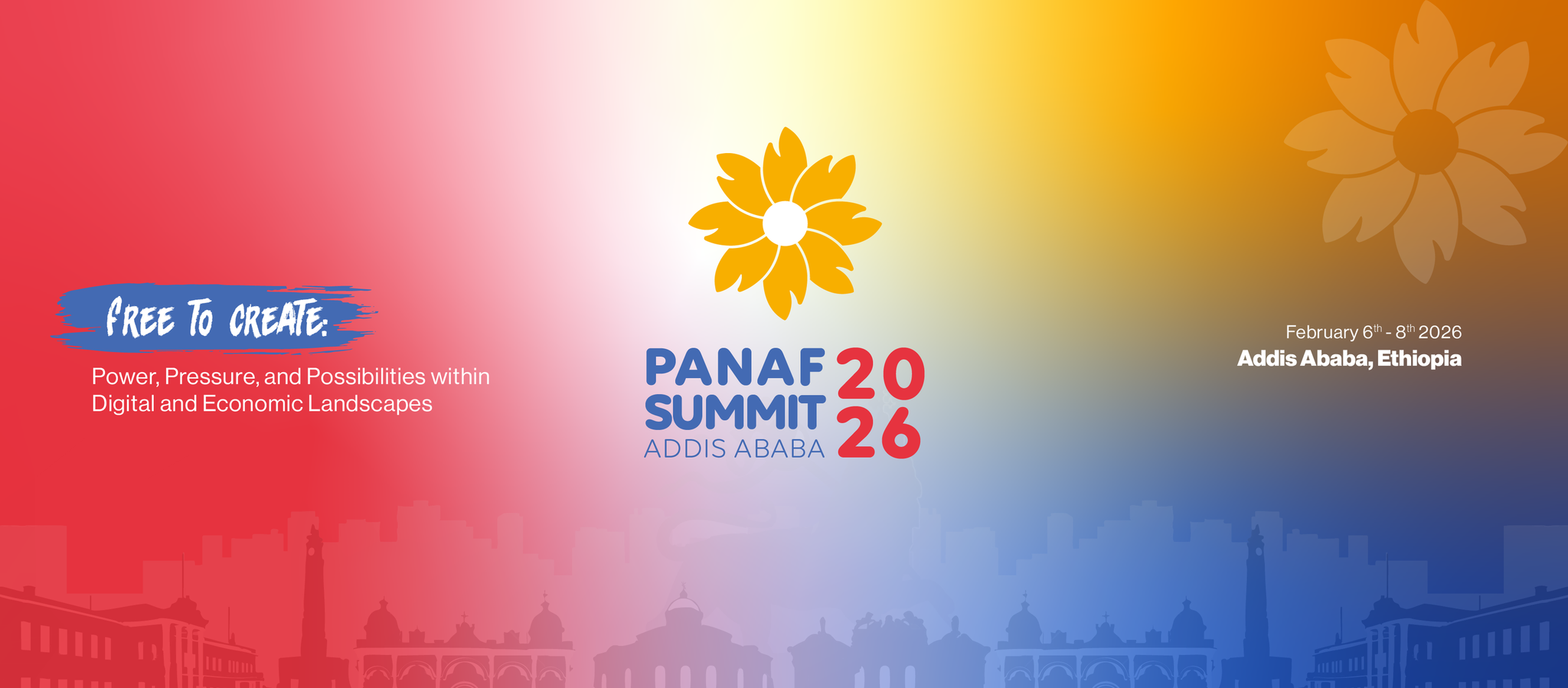
From February 6–8, 2026, ARC joined artists, cultural practitioners, legal experts, policymakers, funders, and civil society representatives from across Africa for the third annual Pan-African Network on Artistic Freedom (PANAF) Summit in Addis Ababa, Ethiopia. The gathering brought together 72 participants from 17 countries to strengthen regional collaboration and advance concrete responses to threats facing artists and cultural workers.
As a core partner of the Summit and a participant in all three PANAF gatherings, ARC continued its commitment to strengthening regional networks and locally led approaches to protecting artistic freedom across the continent. ARC’s Africa Regional Representative, Sam Brakarsh, chaired the Summit Program Committee and facilitated the three-day gathering, helping shape a program designed to move from identifying challenges to developing actionable solutions.
Under the theme Free to Create: Pressure, Power, and Possibilities within Digital and Economic Landscapes, participants examined the legal, economic, gender, and digital pressures affecting artistic freedom and explored strategies for institutional change, legal reform, mobility, and more sustainable support for artists.
Building on priorities identified at the 2025 Zanzibar Summit, the Addis Ababa gathering placed a particular emphasis on turning regional dialogue into collective action. Four working groups—focused on Residencies and Relocation, Legislative Reform, Research, and Digital and Physical Mobility—developed proposals for future implementation and collaboration.
For ARC, the Summit reflects a broader commitment to working alongside African artists and partners to build stronger regional protection mechanisms, deepen cross-border collaboration, and ensure that responses to threats against artistic freedom are informed and led by those closest to the challenges.
The three-day summit followed a structured progression from analysis to action.
Day One, themed Pressure, examined the forces that constrain artistic freedom across the continent, beginning with the legal landscape and moving through economic pressures and gender-specific challenges. Through two panel discussions and a fireside chat, participants built a shared understanding of the systemic barriers facing African artists — legal gaps, economic precarity, digital surveillance, and structural exclusion — and heard from artists about how those barriers are experienced in practice.
Day Two, themed Power, explored the institutional structures that shape artistic freedom and the strategies available to navigate them. A panel on judicial activism and parliamentary agency examined how legal reform happens in practice — from strategic litigation to parliamentary lobbying — and what it costs those who pursue it. A fireside chat using Zambia as a case study offered a grounded example of how democratic gains in the arts sector can be won and sustained, and what the relationship between government, civil society, and artists looks like when it is functioning well.
Day Three, themed Possibilities, opened with a panel on innovative financing pathways for the arts before transitioning into the summit’s core output: the four thematic working groups. Each group had been developing its proposals across the preceding two days and used Day Three to consolidate, present, and refine them in response to plenary feedback.