

Nando OBDC
Rapper
Cuba
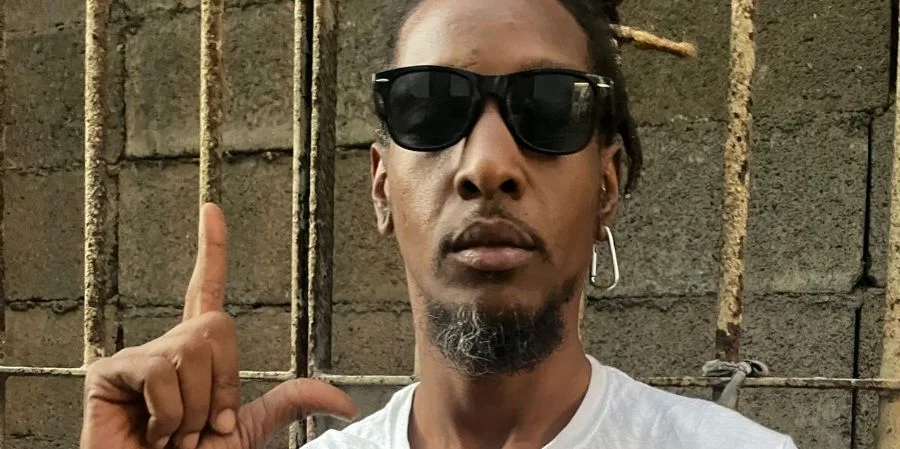
On January 19, 2026, Fernando Almenares Rivera, professionally known as Nando OBDC, was sentenced to five years in prison for the alleged crime of “propaganda against the constitutional order,” under Article 124 of the Cuban Penal Code.
Nando OBDC, 35, is a rapper, graffiti artist, and activist whose work is marked by strong social critique. Through his lyrics, he denounces repression, inequality, and the lack of freedoms on the island, establishing himself as a dissenting voice within Cuba’s cultural landscape. Prior to his detention, he participated in initiatives such as the Exprésate campaign and the album Libres por Derecho, and took part in the collective exhibition Forbidden Art: From Cuba, presented in Miami, which brought together works by censored artists from the island.
His artistic trajectory and involvement in independent cultural movements—including collaborations with other dissident rappers such as Marichal, Maykel Osorbo, David D’ Omni, and Navy Pro—exposed him for years to surveillance, intimidation, and harassment by authorities. According to testimonies and previous interviews, he has been subjected to arbitrary detentions, threats, and even physical assaults in retaliation for his work.
He was detained on December 31, 2024, without a judicial warrant or prior summons, on suspicion of sabotage after displaying banners earlier that year with messages critical of the Cuban government. His arrest took place without due process and without formal notification of charges at the time of detention. In the days after his arrest, no official information was provided regarding his whereabouts, which, according to legal experts, could constitute an enforced disappearance.
Nando OBDC was later accused of “subversive activities,” among other baseless charges, including alleged links to individuals promoting “terrorism against the Cuban state.” For months, he remained in pretrial detention in Mayabeque province without regular access to legal counsel or communication with his family, and without the Public Prosecutor initiating judicial proceedings, in violation of his due process rights. In this context, he undertook a hunger strike in 2025 as a form of protest.
His family has repeatedly reported that he has been held incommunicado and that they have not had access to reliable information about his health. Authorities have failed to provide clear and consistent information about his situation, raising serious concerns about his physical and psychological well-being.
His case reflects a broader pattern of criminalization of artists and critical voices in Cuba, in which the criminal justice system is used as a tool of repression.
Published on 10 April 2026.